

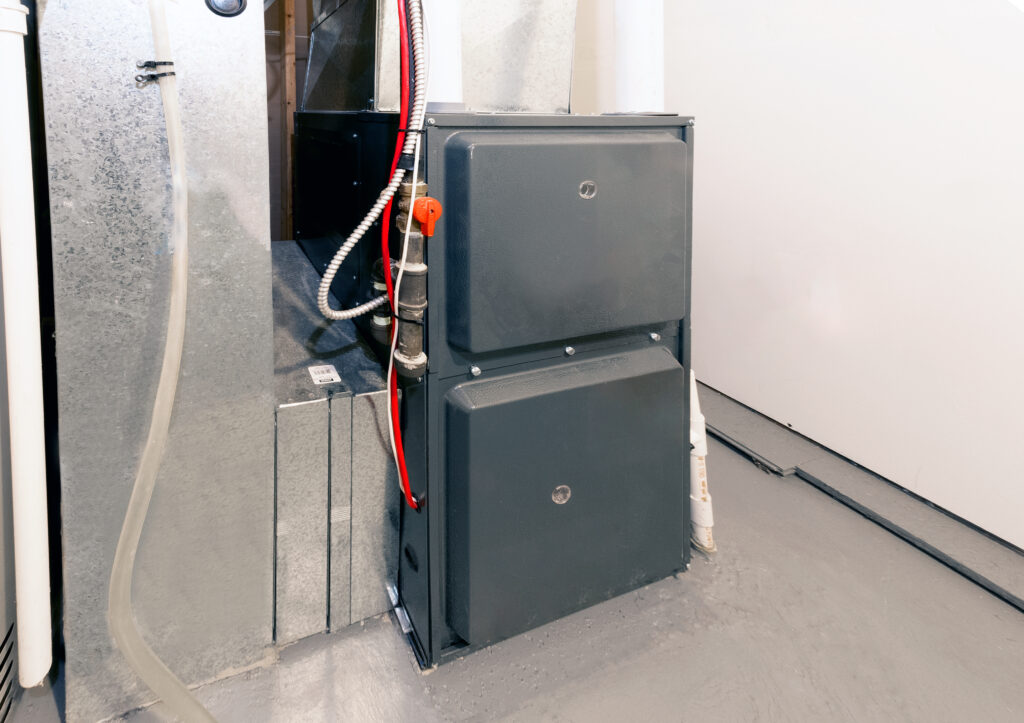
When winter hits Ohio, few things feel more stressful than a furnace that refuses to start. You expect warm air when you turn up the thermostat, but instead, you’re met with silence and a chilly draft. While a non-working furnace might seem like a major emergency, the good news is that many issues can be traced to simple problems you can troubleshoot yourself.
Below, the Comfort Control team breaks down the most common steps to take when your furnace won’t turn on and when to bring in expert help.
Step 1: Check Your Thermostat Settings
If your furnace isn’t turning on, start by confirming that your thermostat is set to “Heat” and that the temperature is several degrees higher than your current room temperature. If your home has a programmable or smart thermostat, make sure it hasn’t switched to a preset schedule that lowers the temperature automatically. For battery-powered units, try replacing the batteries. Weak or dead batteries can cut off communication with the furnace.
Smart thermostats can also lose Wi-Fi connectivity or become temporarily disconnected from your HVAC system after a power surge. Check your app or device display for connection alerts. Reconnecting or restarting your thermostat may resolve the problem. If you’re using an older manual thermostat, remove the cover and gently clean away dust from the contact points.
Step 2: Inspect the Power Supply and Breaker
Your furnace relies on electricity, even if it runs on natural gas or oil, and a simple power issue can prevent it from running. Locate your breaker panel and look for any tripped switches. If you find one labeled “furnace,” flip it fully off and then back on. If the breaker trips again shortly after resetting, do not attempt further resets. This likely indicates a deeper electrical issue that requires professional attention.
In some homes, the furnace also has a power switch mounted nearby on a wall or ceiling joist, often resembling a light switch. Make sure this switch is in the ON position. Loose wiring, rodent damage, or overloaded circuits can interrupt power flow, so if you notice flickering lights or other electrical irregularities, call a licensed HVAC technician rather than trying DIY repairs.
Step 3: Examine the Air Filter and Safety Switch
When filters become packed with dust and debris, airflow through the system is restricted. This can cause overheating, triggering the furnace’s built-in safety switch to prevent damage. Pull the filter from its slot and hold it up to the light. If you can’t see through it, it’s time for a replacement. In most Ohio homes, filters should be changed every one to three months, depending on system use, pets, and indoor air quality.
Another often-overlooked issue is the furnace door safety switch. This switch prevents the system from operating if the access panel isn’t properly closed. If you recently changed the filter or inspected the inside of the unit, make sure the door is securely aligned before trying again.
Step 4: Check the Pilot Light or Ignition System
For older furnaces with a standing pilot light, the flame may have gone out. To check, remove the access cover and look for a small blue flame near the bottom of the unit. If it’s out, follow your manufacturer’s instructions for relighting, or if you’re unsure, call a professional. Never attempt to relight a pilot light if you smell gas.
Modern furnaces typically use electronic ignition systems instead of manual pilots. If you hear repeated clicking sounds but the furnace doesn’t ignite, there could be a problem with the igniter or flame sensor. These parts are delicate and should only be handled by trained technicians.
Step 5: Call for Professional Furnace Repair
If your furnace still won’t start after these steps, or if you notice signs like burning odors, rattling noises, or short cycling (turning on and off rapidly), the issue could involve components such as the gas valve, blower motor, or control board.
Attempting DIY repairs on these systems can be risky, especially when gas lines or electrical components are involved. Professional HVAC technicians have the diagnostic tools and safety training needed to identify the root cause and get your heat back on quickly.
Reliable Furnace Repair from Comfort Control
When you need dependable furnace repair in Ashland, Wellington, or nearby Ohio communities, Comfort Control is ready to help. We understand how stressful a heating outage can be, especially during Ohio’s coldest months, which is why we offer prompt service and transparent repair recommendations.
Don’t stay in the cold. Contact Comfort Control today to schedule your furnace repair service and keep your home warm all winter long!
Frequently Asked Questions
Why won’t my furnace turn on even though the thermostat is set correctly?
This usually points to an electrical or safety issue. Check for tripped breakers, a full air filter, or a misaligned furnace door. If none of those fixes the problem, a control board or ignition fault may be to blame, which requires professional repair.
Is it safe to try relighting my furnace myself?
Only if your furnace uses a manual pilot light and you don’t smell gas. Always follow your manufacturer’s instructions carefully. If you have a newer system with an electronic ignition, leave it to a licensed HVAC technician.
When should I call a professional for furnace repair?
If you’ve tried the basic troubleshooting steps and your furnace still won’t start, or if you notice unusual odors, electrical flickering, or repeated breaker trips, call for help right away. Continuing to run or restart a faulty furnace can lead to more serious damage or safety hazards.