

Ohio winters feature frigid nights and harsh conditions that affect the performance of your HVAC equipment. As the season approaches, it makes sense for homeowners to contemplate which heating setup is most suitable for their home. Of all the possible heating configurations in Ohio, the two most common options are furnaces and heat pumps. Both options can make a fine choice depending on the needs of your household. The following guide will share everything you need to know to make an informed decision before the cold fronts kick in.
What Is a Heat Pump?
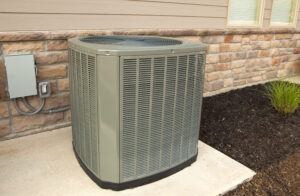
Heat pumps help control the temperature in your home via the process of thermal transfer. These systems consist of an outdoor unit with a compressor, refrigerant lines, a reversing valve, and an indoor air handler. These components work together to move heat rather than create it. In winter, the warmth from outside air is transferred into your home. In the summer, the process is reversed to actually cool your home as well. This makes heat pumps an incredibly versatile choice for Ohio residents.
The Benefits of Using a Heat Pump
The key benefit to using a heat pump is comfortable temperatures in both summer and winter. These units are incredibly efficient in mild temperatures when compared to a furnace. Operation costs also go down during periods of less extreme weather. Heat pumps are also kinder to the environment because no fossil fuels are burned in the process of thermal transfer.
What Is a Furnace?
Furnaces utilize a fuel source to generate the heat that provides warmth when temperatures drop. Fuel types such as oil, gas, and electricity are still commonly in use. A furnace includes key components such as a burner, heat exchanger, blower motor, and exhaust flue, all of which work together to safely generate and distribute heat. When the system turns on, fuel is burned in the heat exchanger, warm air is pushed through the ductwork by the blower, and combustion gases are vented outside.

The Benefits of Using a Furnace
Since furnaces were designed specifically for heating, they excel at keeping your home cozy during the winter. These systems are highly efficient, and you have plenty of options for fuel. This means local availability won’t pose much of an issue. Furnaces have a relatively low cost of entry compared to other heating solutions, and most units have an impressive lifespan when properly maintained. Expect 15-20 years of reliable performance when paired with regular tune-ups.
Heat Pump vs. Furnace: Efficiency Comparison
Both heat pumps and furnaces can be quite efficient, depending on their technical specifications and regulatory ratings. A heat pump’s seasonal energy efficiency ratio, or SEER rating, determines how well it will cool off a building. Likewise, the heating seasonal performance factor, or HSPF rating, denotes how quickly it can warm up your residence. Opting for a heat pump with an HSPF of 8 or higher will prove quite efficient during periods of mild weather. That said, heat pumps are less efficient than furnaces in the extreme cold.
Since furnaces must expend a fuel source to generate warmth, their efficiency is measured with annual fuel utilization efficiency ratings. The AFUE rating comes as a percentage indicating how much of the fuel is successfully converted into usable heat by the device. Older furnaces typically hover around the 65%-75% range, whereas modern units can reach up to 98% efficiency. If you go the furnace route, the age of your unit is a priority consideration. Furnaces also remain reliable even in freezing conditions, making them quite suited for Ohio’s climate.
Heat Pump Vs. Furnace: Cost Comparison
The upfront cost of a furnace is typically lower than that of a heat pump because it’s designed solely for heating rather than year-round operation. Of course, a furnace’s installation and operational costs will vary depending on the fuel type. Natural gas models have the lowest operational costs in Ohio because gas is easier to come by than electricity. As for heat pumps, their cost is largely determined by the climate and weather forecasts. They are efficient and cost-effective in mild temperatures. However, they become less efficient in freezing conditions, as additional heating may be needed to maintain your comfort level.
Get the Comfort You Deserve
Comfort Control has extensive experience with heating, cooling, and general HVAC services since 1980. Whether you need help with a furnace, your heat pump, inconsistent temperatures, or other comfort concerns, we have a solution that will suit your purpose. Our team provides 24/7 emergency services for when your equipment unexpectedly breaks down. For reliable heating installation and services in Ashland, OH, give Comfort Control a call today!